The real question behind “rendering services”
When people search for rendering services, they usually aren’t looking for “pretty images”.
They’re trying to answer basic questions:
- what exactly do i get?
- how long will it take?
- how many changes are included?
- will this help me sell, lease, raise money, or get approvals?
And there’s a reason this search happens late in the process. A lot of teams already got burned once.
They hired someone cheap, got nice-looking pictures, and then realised the visuals didn’t support the decision they needed. The leasing team can’t use them. The investor deck still feels weak. The city comments come back. Or the design changed and revisions turned into a mess.
That’s why the phrase professional rendering services matters. It’s not a “premium label”. It’s a different scope. And for many projects, it also means choosing a 3d rendering company instead of a single freelancer.
A freelancer can deliver images. A professional team runs a process. They manage inputs, make the work consistent, and reduce the risk of surprises.
So the real question isn’t “can you render my project?”
It’s “can your 3D rendering services help me make a decision and move the project forward?”
That’s what this article breaks down.
Rendering services are not just images
A lot of people treat architectural rendering services like a simple output: “send drawings, get renders”.
But in practice, a rendering is the last step. The real work happens before that.
Good rendering services include:
- understanding what the visuals are for (sales, leasing, investor review, planning, internal sign-off)
- checking the source files for gaps and conflicts
- building a clean 3D base that won’t collapse during revisions
- making sure materials, lighting, and camera choices match the goal
If that sounds like project management, it kind of is. Because most rendering problems are not “art problems”. They are scope and input problems.
This is also why teams sometimes end up with renders they can’t use. The images might look fine. But they don’t answer the real questions:
- what exactly is being sold here?
- how does the building sit in its context?
- what’s the experience inside the space?
- what’s the differentiator versus comps?
Professional architectural rendering services focus on those questions first. The images come second.
Core components of professional rendering services
Below are the core parts you should expect from professional rendering services. Not every project needs the same depth. But if these pieces are missing, you usually pay for it later.
Briefing and goal alignment
This is where the team figures out what “good” looks like for your project.
A useful brief is not “we need 5 exterior shots”. It’s:
- who is the viewer (buyers, tenants, investors, city reviewers, internal stakeholders)
- what decision they need to make after seeing the visuals
- what level of detail is required right now (concept, DD, marketing-grade)
- what can change, and what is already locked
This step prevents the most common failure: producing images that don’t match the use case.
For example, investor visuals often need clarity and credibility. Leasing visuals often need lifestyle and amenity context. Planning visuals need accuracy and legibility.
Same building. Different goals. Different visuals.
Architectural data review
Before anyone starts “making it look real”, a professional team checks the inputs.
That can include CAD, BIM, PDFs, sketches, markups, schedules, and reference photos. The goal is to catch problems early, like:
- missing elevations or unclear dimensions
- conflicts between plan and facade
- undefined materials (what is actually brick vs metal panel?)
- context uncertainty (grading, adjacent buildings, landscaping assumptions)
This is where cheap 3D rendering services often fail. They model whatever seems closest, then you discover the mismatch in the first review. After that, every change costs time.
A real studio treats this step as risk control. It saves revisions later.
3D modeling that’s built for revision
Modeling is not just “make the building in 3D”. It’s building a structure that can handle change.
Professional rendering services usually include:
- clean geometry (no broken surfaces, no messy intersections)
- consistent scale and proportions
- project-specific context (site, streets, surroundings when needed)
- logical separation of elements (so changes don’t break the whole scene)
Why it matters: real projects change. Materials update. Window layouts shift. A balcony disappears. The landscape plan gets revised. If the base model is built poorly, every revision turns into rework.
Here’s a simple way to think about it:
| Component | What a professional team does | What it prevents |
|---|---|---|
| Goal alignment | Matches visuals to sales / investor / approval needs | “nice renders, wrong purpose” |
| Data review | Flags missing info and conflicts early | revision loops from bad inputs |
| Structured modeling | Builds a model that can change without breaking | slow, expensive rework |
That’s the foundation. After this, you can talk about materials, lighting, and final deliverables. But without these steps, even “high-end” images can miss the mark.
Materials, lighting, and realism: what’s actually included
This is the part most people notice first. But it’s also where a lot of rendering services go off track.
If you want visuals that help sales, leasing, or investor review, you need more than “make it realistic”. You need choices that match the project and the purpose.
Professional rendering services usually cover three things here: materials, lighting, and camera setup.
Materials are not just textures. They’re decisions. Same for light and angles.
If those decisions are wrong, the render can still look “good”, but it won’t feel credible.
Materials are based on real specs (or clear assumptions)
A pro team will ask for material references. That can be a finish schedule, manufacturer links, mood boards, or simple notes.
And if you don’t have final selections yet, they should document assumptions. Like:
- “brick tone based on reference A”
- “window framing color based on standard storefront finish”
- “flooring based on comparable interior direction”
This matters because teams often use renders as a reference later. For example, for marketing collateral, leasing decks, or stakeholder sign-off. If the finishes are random, you’ll keep correcting them and burning time.
Also, “stock texture” problems show up fast. Especially in close interior shots. It looks generic. People may not say why, but they feel it.
Lighting setup is planned, not guessed
Lighting is not “make it bright”.
It’s time of day, sun direction, exposure, interior light temperature, and how shadows behave. It changes the whole read of the project.
A professional workflow usually includes:
- a clear time-of-day choice for exterior scenes
- day vs dusk setups (if needed for marketing)
- realistic interior lighting that matches the space type (residential, office, hospitality)
If you’re selling lifestyle, you want warmth and depth. If you’re supporting approvals or design review, you often want neutral clarity.
Same model. Different lighting. Different outcome.
Camera composition supports the use case
Camera angles are not random either.
A professional team should choose angles based on what the viewer needs to understand. Not just what looks dramatic.
That can mean:
- exterior views that show massing, entry, and context
- interior views that explain layout and flow
- human-scale angles that feel like real photos (when the goal is marketing)
This is one of the most common issues with low-end 3D rendering services. The scene looks fine, but the camera tells the wrong story. Or it hides the key parts. Then you ask for new views and the scope grows.
Types of deliverables included in professional rendering services
People search for rendering services because they want an output. But “output” can mean different things.
Some teams need one hero exterior image. Others need a full set for leasing. Others need floor plans for listings. Or motion for an investor pitch.
Here are the deliverables most professional architectural rendering services can include, and when each one makes sense.
Exterior rendering
This is the classic deliverable. And it’s not just the building.
A good exterior render usually includes:
- site context (enough to understand the setting)
- landscaping appropriate to the stage of design
- correct scale elements (cars, people) when needed for readability
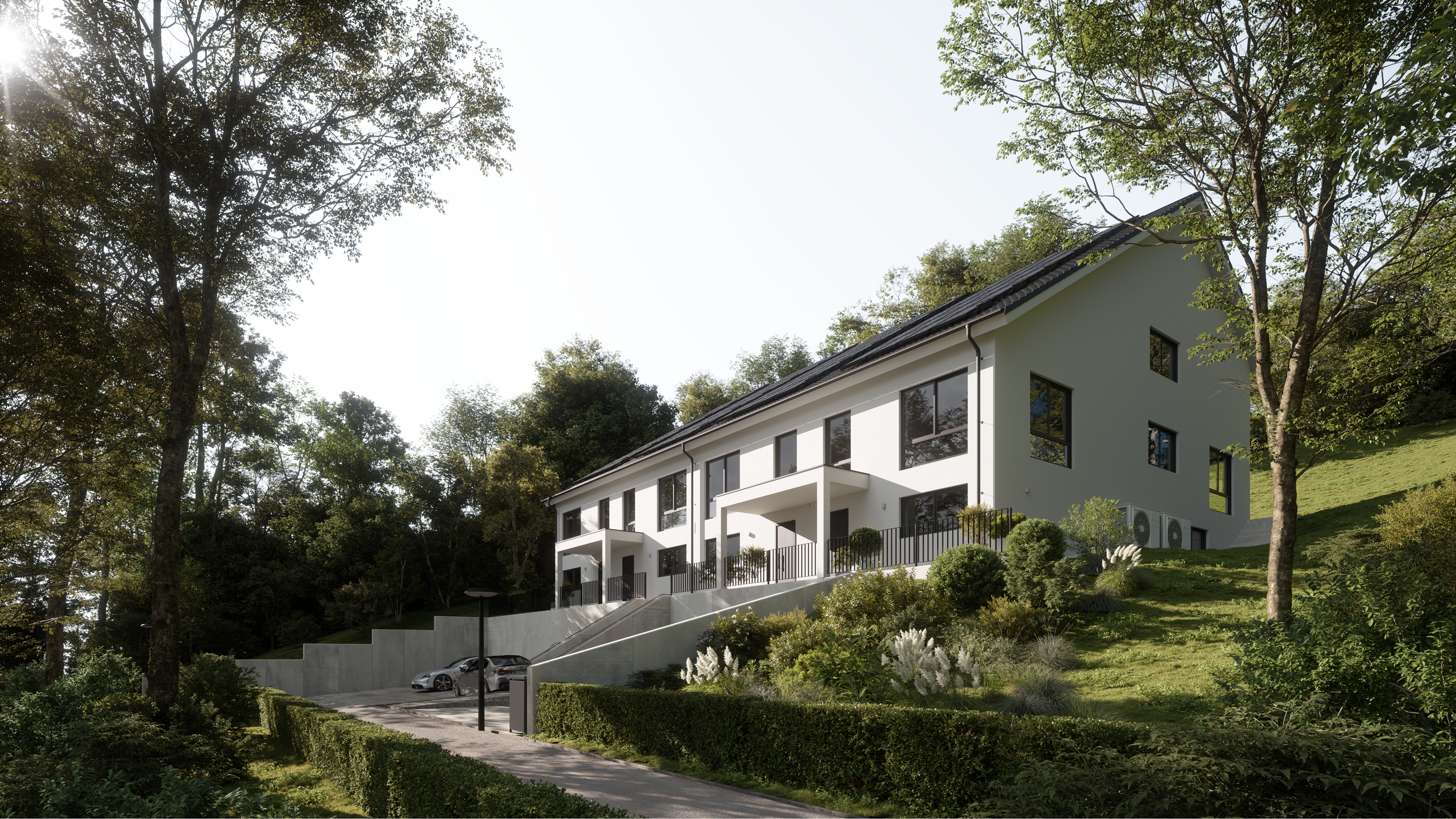
Exterior visuals are often used for marketing, leasing, investor decks, and public presentations. That’s why consistency matters when working with 3D exterior rendering services. If you plan to use these visuals across channels, you want a coherent set, not one “nice shot” and a few weak ones.
Interior rendering
Interiors are where detail and materials matter most. This is also where “generic” work stands out.
Professional 3D interior rendering services is usually used for:
- residential marketing (units, kitchens, bathrooms, amenities)
- commercial leasing (lobbies, shared spaces, office fit-outs)
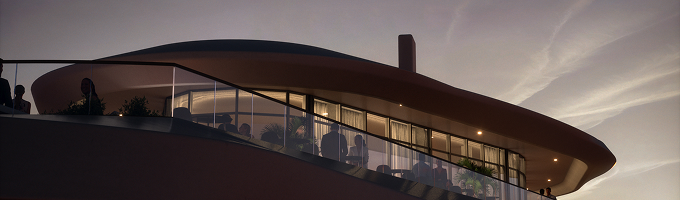
- hospitality and restaurant concepts (mood, seating flow, experience)
If you’re using interior visuals to sell the experience, you need accurate finishes and believable lighting. Otherwise the space feels fake.
Floor plan and axonometric visuals
Not every buyer or tenant reads drawings. But most understand a 3D floor plan fast.
This is a common deliverable for real estate listings and marketing packages. It helps people answer simple questions:
- how do rooms connect?
- where is the entry?
- how does the layout flow?
When done well, 3D floor plan rendering services make layouts easier to understand and compare. That reduces back-and-forth with prospects, cuts down on basic questions, and helps generate more qualified leads.
Floor plan visuals can also reduce back-and-forth with prospects. Less confusion. Better leads.
Architectural animation and motion
If you need to communicate scale, sequence, or a full experience, motion can do what static images can’t.
Architectural animation services are often used for investor presentations, large developments with multiple zones, and projects where the “journey” matters – arrival sequences, lobbies, and amenity areas.
But animation only works if the base assets are built well. If modeling and materials are rushed, animation becomes expensive fast.
Animation is often used for:
- investor presentations
- large developments with multiple zones
- projects where the “journey” matters (arrival, lobby, amenity areas)
But it only works if the base assets are built well. If modeling and materials are rushed, animation becomes expensive fast.
Virtual tours and interactive formats
This is useful when you want the viewer to explore, not just look.
Virtual tours make sense when:
- leasing teams need something self-serve
- you’re selling multiple units or variants
- stakeholders need to review spaces without a meeting
In these cases, 3D virtual tour services allow viewers to move through the space, understand layouts at their own pace, and focus on what matters to them, without guidance.
They also raise a practical question: platform and performance. A professional provider should be clear about format, hosting, and how it will be shared.
Revision rounds and feedback management
This is where many projects get messy.
A lot of clients have the same story: “we paid for renders, then every revision cost extra”. Or revisions were slow and unstructured, so the schedule slipped.
Professional rendering services should set expectations early. Not in a vague way. In writing.
What revisions usually include
Most projects need changes. That’s normal.
Common revision items:
- material adjustments (tone, reflectivity, finish direction)
- lighting tweaks (too dark, too flat, wrong mood)
- camera adjustments (height, lens feel, framing)
- entourage changes (cars, people, landscaping density)
These are usually presentation-level updates. They don’t require rebuilding the project.
What should be defined upfront
A professional team typically defines:
- how many revision rounds are included
- what counts as one “round”
- how feedback should be delivered (markups, bullet list, call)
- turnaround time per round
This protects both sides. You get predictability. They get clean feedback.
The key difference: design changes vs presentation tweaks
This is the line that needs to be clear.
Presentation tweaks are expected. Design changes are a different scope.
Here’s the simplest way to frame it:
- Presentation tweak: “Make the brick darker”, “Move the camera left”, “Change the time of day”
- Design change: “We changed the facade”, “We moved windows”, “The layout is updated”, “The building massing changed”
If the design changes, the 3D model changes. That’s not a “revision”. That’s new work. If a studio doesn’t explain that early, you’ll hit conflict later.
A good rendering workflow makes revisions feel boring. In a good way. You know what’s included, how long it takes, and what it will cost if the scope changes.
What professional rendering services usually do NOT include
This section matters because a lot of frustration comes from unclear boundaries.
Good rendering services can help you sell, lease, raise money, and get stakeholders aligned. But they won’t solve problems that belong to design, engineering, or approvals.
Here’s what professional rendering services typically do not include.
They don’t replace your architect or designer.
A rendering team can visualize a design. They shouldn’t be making design decisions for you.
If the drawings don’t define key things (window sizes, facade logic, material intent), the right move is to ask for clarification. Not to “guess” and hope it looks good.
They don’t provide engineering or code sign-off.
Renders can support approvals and presentations. But they are not stamped documents. They don’t confirm structural feasibility, energy compliance, or life-safety compliance.
They also can’t “fix” bad architecture with visuals.
Yes, composition and lighting can make a project look better. But if the massing is awkward, the proportions are off, or the plan doesn’t work, a render won’t change that. It can only hide it for a moment. That usually backfires later.
And one more thing: they shouldn’t rewrite your project narrative.
A studio can help you present a story visually. But if you don’t have a clear positioning or program strategy, that’s a separate piece of work.
If a provider promises to solve all of this inside “3D rendering services”, be cautious. It often means they’ll improvise, and you’ll pay for revisions.
How scope affects cost, timeline, and results
People often search for rendering services price because they want a simple number. That’s fair. But rendering is not priced like a commodity.
Even within the same category (say, exterior rendering), scope changes everything.
Three factors drive most of the cost and timeline.
1) Project complexity
This is not just “big vs small”. It’s how much detail matters.
A simple massing render can be fast. A marketing-grade scene with clean details, custom materials, and believable context takes longer.
2) Number of views and formats
One hero image is not the same as a full set.
Also, a single view can have multiple versions: day, dusk, seasonal variants, different tenant signage, different unit options. That adds work even if the camera doesn’t move.
3) Purpose of the visuals
Purpose sets the quality bar.
If the goal is internal alignment, you may not need ultra-polished post-production. If the goal is leasing, investor review, or a public-facing launch, you usually do.
Here’s a simple way to think about scope levels:
| Scope level | Typical purpose | What changes in the work |
|---|---|---|
| Concept / early design | internal review, fast decisions | lighter detail, faster iterations |
| Design development | stakeholder alignment | more accurate materials and details |
| Marketing-grade | leasing, sales, investors | high realism, strong composition, clean post |
So when you compare rendering services, compare the scope, not the price alone.
If you want a clean quote, bring these inputs to the first call:
- what deliverables you need (exterior, interior, floor plans, animation, virtual tour)
- how many views
- what stage the design is in
- what the visuals will be used for
That’s usually enough for a professional team to give you a realistic range and timeline.
How to evaluate a rendering service before hiring
Portfolios matter. But they don’t tell you how the process will go.
If you’re hiring architectural rendering services, you’re also hiring a workflow. That workflow either saves time or creates chaos.
Here are three practical checks.
1) Process transparency
You should be able to understand the steps before you start.
At minimum, the provider should explain:
- what they need from you to begin
- when you see the first draft
- how feedback is handled
- how many revision rounds are included
- what triggers additional cost (usually design changes)
If they avoid specifics, the project will feel vague later too.
2) Relevant experience
Not “years in business”. Real relevance.
Ask if they’ve done work similar to yours in terms of use case:
- multifamily leasing
- commercial development
- hospitality and restaurants
- investor materials
- planning and public presentations
Different use cases have different expectations. A studio that understands that will ask better questions up front.
3) Ability to explain “why”
A strong team doesn’t just say “we can do it”. They explain why a choice works.
For example:
- why a camera angle supports leasing
- why a dusk view helps (or why it doesn’t)
- why a certain level of context is necessary
- why you should simplify scope at an early stage
That “why” is what protects you from wasted renders.
And if you’re comparing vendors, ask one simple question:
“What do you need from us to avoid revisions later?”
A good answer usually sounds boring and specific. That’s a good sign.
When professional rendering services deliver real business value
Professional rendering services matter most when visuals are tied to a decision. Not when they exist “just to look good”.
Here are the situations where the impact is the clearest.
Pre-sales and marketing
When a project isn’t built yet, visuals become the product. Buyers and tenants don’t evaluate drawings. They react to space, light, and layout. Good rendering services help people understand what they’re buying and why it’s worth the price. Bad ones just create noise.
Investor decks and capital raising
Investors don’t fund images. They fund clarity. Professional architectural rendering services help explain scale, program, phasing, and positioning fast. The goal isn’t emotion. It’s confidence. If visuals answer questions before they’re asked, the conversation moves forward.
Planning reviews and stakeholder approvals
Cities, boards, and internal stakeholders need legibility. Not drama. Rendering services used at this stage should focus on massing, context, and impact. Clear visuals reduce back-and-forth and shorten review cycles.
Internal decision-making
Many teams use 3D rendering services to test options before committing. Materials, facade logic, unit layouts, or amenity concepts are easier to evaluate visually than in drawings. When used early, rendering can prevent expensive changes later.
In all these cases, the value doesn’t come from realism alone.
It comes from choosing the right type of visual for the right decision.
What to expect from professional rendering services
Professional rendering services are not about “nice pictures”.
They’re about reducing uncertainty.
You should expect:
- a clear process, not guesswork
- visuals that match your goal, not generic scenes
- defined scope, revisions, and timelines
- honest limits on what rendering can and can’t solve
If a rendering service helps you sell faster, explain your project better, or make a decision with less risk, it’s doing its job.
If it only looks good, it probably isn’t.
If you’re comparing options or planning your next project, start by understanding the scope that fits your use case. From there, choosing the right rendering format becomes much easier.
Your Journey | to Marketing Renders | That Bring Out | The Best in Your | Project
Read Our Whitepaper