The real problem in real estate marketing today
Most real estate teams aren’t struggling because the product is bad. They’re struggling because buyers can’t “see it” yet.
Floor plans don’t land with most people. They’re useful for architects and contractors. But buyers and renters don’t live in drawings. They live in rooms. And if they can’t picture the room, they hesitate.
Photos don’t always help either. If the unit isn’t built, you don’t have photos. If it is built, photos still hide key questions: scale, light, finishes, and how the space will feel day to day.
That’s where deals slow down.
- Buyers can’t imagine an unfinished space, so they delay decisions.
- Investors hear your numbers, but they still don’t trust the outcome.
- Listings with generic visuals get clicks, but not serious inquiries.
- Approvals and pre-sales drag because stakeholders don’t align fast.
A lot of the time, the project is fine. The communication isn’t.
Why interior visualization changed how property is sold
People don’t buy square footage. They buy a picture in their head.
Even when someone is analytical, their decision still depends on how a place feels. Is it bright? Does it look cramped? Can they see where the bed goes? Does the kitchen feel premium or cheap?
Specs can’t answer that. “9-foot ceilings” doesn’t tell you whether the room feels open. “Quartz countertops” doesn’t show what the finish looks like next to the flooring and cabinet color.
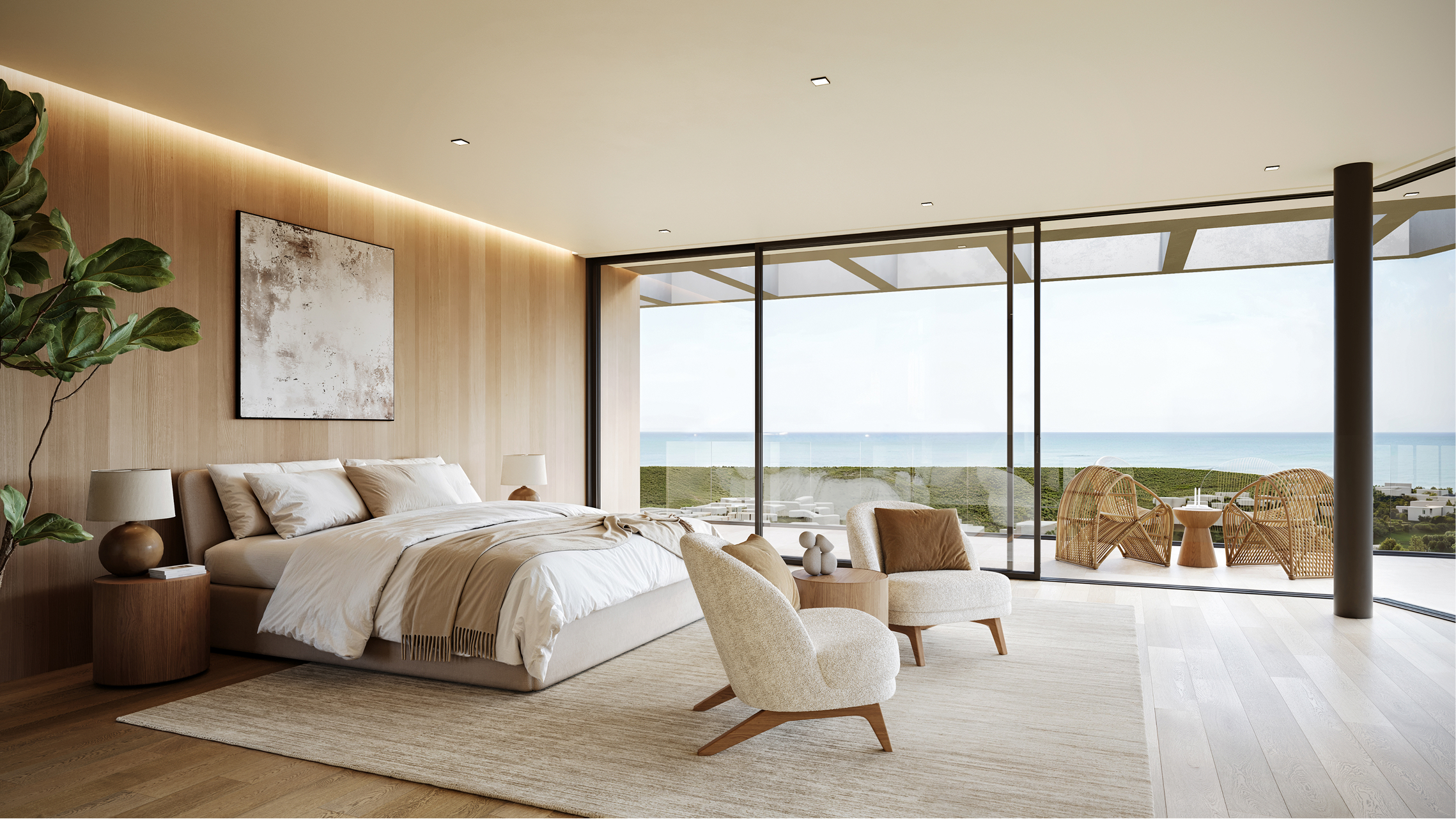
Interior visualization helps because it reduces guesswork. It turns abstract info into something you can react to. That matters in real estate because decisions are often fast and competitive.
For developers, it also reduces risk. You can test how the product reads before you spend on full execution. You can spot weak layouts, awkward proportions, or finish combinations that look wrong once they’re placed together.
This is why 3D interior rendering became a standard tool for marketing teams, brokers, and development groups. It makes the offer clearer. And it speeds up alignment.
What 3D interior rendering really means in a real estate context
A lot of people think “3D render” means “make it look nice.” That’s not the point.
In real estate, 3D interior rendering is a communication asset. It’s built to help someone decide. And depending on the decision, the render has a different job.
There are three common types:
Design render
This is for internal design work. It helps a team validate layout, materials, and lighting direction. It can be more exploratory and detail-heavy.
Sales render
This is for conversion. It’s created for buyers and renters. The goal is clarity and appeal, without misrepresenting reality. It often includes staging choices that match the target audience.
Investor render
This supports credibility. It’s used in pitch decks and offering materials. The goal is to show a market-ready product, not a concept sketch.
And here’s where these renders get used most often:
- Pre-sales: selling units before construction is complete
- Listings: improving online presentation when photos aren’t possible or aren’t enough
- Pitch decks: helping investors and partners understand the product fast
- Leasing: showing a space that isn’t finished yet, especially in commercial or mixed-use
If you treat all renders the same, you usually get average results. The best outcomes come when the rendering is built for a specific real estate marketing job, not just “a pretty image.”
How real estate teams use interior renders at each stage
The same building can need different visuals at different points. If you try to reuse one set of images for everything, it usually falls flat.
Early on, you need clarity. Later, you need speed and consistency. And in leasing, you need fewer questions from tenants and brokers.
Pre-construction marketing (pre-sales and investor materials)
This is the “we’re selling it before it exists” phase. The goal is to remove doubt and make the product feel real.
Interior renders help when you need to:
- show what buyers will actually get (not just “luxury finishes”)
- explain differences between unit types without long explanations
- support pre-sales pages, brochures, and investor decks
One important point: pre-construction renders should be grounded in real specs. If they show a “dream version” of the unit, you create a trust problem later.
Listings and broker presentations
For listings, attention is expensive. People scroll fast. If you don’t communicate the space in seconds, you lose them.
Interior renders are useful when:
- the unit is still under construction
- the photos are weak (bad light, empty rooms, dated finishes)
- you need consistent visuals across many units or a whole development
In the US, this often shows up on listing pages, property websites, and paid ads. The render’s job is simple: make the space easy to understand at a glance.
Leasing and tenant approvals (especially commercial)
Commercial leasing can stall over small uncertainties. Tenants want to know if their layout works and whether the space supports their operations.
Interior renders help when you need to:
- show realistic build-out outcomes
- align landlords, brokers, and tenants faster
- reduce back-and-forth on “will this fit” questions
This is also where layout clarity matters more than pretty styling. If the render hides scale or circulation, it doesn’t help.
Where most real estate visuals fail (and cost deals)
Bad visuals don’t just look off. They create friction. And friction kills conversion.
Here are the most common issues:
They look like a video game
Over-sharp edges, fake reflections, plastic textures. People might not say it out loud, but they feel it. And it reduces trust.
Materials are wrong or too generic
If the cabinet finish, flooring tone, or countertop color doesn’t match the real spec, you’re building expectations you can’t meet. That leads to disappointment, not sales.
Lighting doesn’t match the real space
A unit that faces north won’t look like a sunny south-facing loft. When lighting is unrealistic, the space feels staged in a way that buyers notice.
The render isn’t made for the target buyer
A luxury condo audience reads a space differently than first-time renters. If staging, styling, or even camera height is off, the visuals don’t connect.
This is why “nice images” aren’t enough. Real estate renders need to be accurate, believable, and aimed at a specific decision.
Why real estate projects need a specialized 3d rendering company
A lot of teams try to solve this with cheap freelance work. Sometimes it’s fine for internal mockups. But it often fails for real estate marketing.
A specialized 3d rendering company works differently:
- they plan images around how real estate is sold (not around what looks cool)
- they understand typical buyer questions and where confusion happens
- they know how to keep a set consistent across unit types and viewpoints
- they can work within real constraints: deadlines, revisions, and spec changes
And they usually push back when something is risky. Like when a spec is unclear, or when a requested angle makes the room look bigger than it is. That kind of pushback is annoying at the moment, but it saves you later.
Real estate marketing runs on trust. If your visuals feel unreliable, everything downstream gets harder: broker confidence, buyer intent, investor buy-in, even approvals. That’s why it’s not a good place to gamble on whoever is cheapest.
What professional 3D rendering services actually include
A lot of people hear “3D rendering” and think it’s just one image. In practice, real estate marketing needs a repeatable process. That’s what you’re paying for with professional 3d rendering services.
Here’s what usually matters most.
First, scene planning. You decide what the image needs to do. Is it for pre-sales? A listing page? A pitch deck? That choice changes the angle, the framing, and what details get priority.
Next is lighting. Not “make it bright.” Real lighting that fits the unit. Time of day, window direction, and how materials react to light. If this is wrong, the render feels fake fast.
Then camera angles. Real estate angles should answer buyer questions. How big is the living area? Where’s the dining zone? How does the kitchen connect to the space? Random “cool angles” don’t help.
Staging also matters. Furniture, decor, and styling should match the target audience and price point. A studio in Austin needs a different feel than a luxury condo in Miami. If the staging is off, the space reads wrong.
Brand alignment is the part teams forget. If you’re marketing a development, your visuals should feel consistent across unit types and pages. Same style, same level of detail, same tone. Consistency builds trust.
And finally, post-production. That includes final polish, color balance, and making sure the image looks right across web, print, and mobile. It’s not about over-editing. It’s about clarity.
If you only buy “a render,” you often get a nice picture. But not a marketing asset. Good 3d rendering services are built around the decision you need the buyer to make.
Why interior rendering can have a high ROI in real estate marketing
Real estate marketing is simple in one way: if people don’t understand the product fast, they don’t move forward.
Interior renders help when they reduce friction in the funnel.
They can improve listing performance because the space is easier to read. People know what they’re looking at. That tends to lead to better engagement, and more qualified inquiries, especially for new builds or units without strong photos.
They also support pre-sales. If you sell before completion, you’re asking buyers to commit based on trust. Clear interior visuals make that trust easier.
They speed up approvals and stakeholder alignment too. Owners, brokers, marketing, and design teams can react to the same thing. That cuts the “wait, i thought it would look different” loop.
And they reduce revisions in marketing collateral. When you have consistent render sets early, you’re not rebuilding brochures, landing pages, and ads every time the design team makes a change.
None of this is magic. It’s just the cost of confusion. When visuals remove confusion, the project moves faster.
How to choose the right interior rendering partner
Most teams don’t fail because they picked a “bad” vendor. They fail because they picked a vendor that doesn’t understand what real estate marketing needs.
Here’s a practical way to choose.
Start with portfolio relevance. Not “do they have nice images.” Do they have work in your category: multifamily, single-family, hospitality, commercial leasing. And do the visuals look like they were made for buyers, not for a design award.
Then check if they understand real constraints. Can they work from floor plans, elevations, and finish schedules? Can they keep images consistent across many units? Can they handle late spec updates without breaking the whole set?
Ask about speed and revision control. You don’t need infinite revisions. You need a clear process: what counts as a revision, how feedback is collected, and how many rounds are expected.
Also pay attention to how they ask questions. A strong partner doesn’t just say “yes.” They clarify what’s missing, flag risks, and confirm what must be accurate. That’s what protects you from mismatches between marketing and reality.
If you want a quick gut-check: the right partner talks about buyer clarity and consistency, not just “quality.” In real estate, that’s what sells.
When 3D interior rendering becomes a real marketing tool for real estate teams
There are a few moments when interior visuals stop being “nice to have” and start being part of the sales process. This is where 3D Interior Rendering Services earn their place.
You usually need them when you’re selling something people can’t walk through yet. Off-plan units are the obvious case. Buyers have to commit based on what they think the space will feel like. Clear interior renders make that decision easier.
They also matter when you’re launching a new building or a new phase. At that point, you’re competing for attention. Listings, landing pages, and ads all need to explain the product fast. Good interior visuals do that better than text and specs.
Investor presentations are another big one. Numbers explain the deal. Renders explain the product. When both line up, it’s easier for someone to say yes.
In higher-end listings, visuals set expectations. If the images feel generic, the property feels generic. That’s a problem when you’re trying to justify premium pricing.
And in commercial leasing, interior renders often save weeks of back-and-forth. Tenants can see how their operation fits. Brokers can answer questions without guessing.
In all of these cases, the goal is the same. Remove doubt. Make the space feel real before it exists.
How to decide if interior rendering is worth it for your project
Here’s a simple way to think about it.
If you’re selling or leasing space before it’s finished, people need something solid to react to. That’s what renders give them.
If you’re in a crowded market, your listing needs to stand out without misleading anyone. That’s what good interior visuals do.
And if you’re pitching investors or partners, you need more than plans and spreadsheets. You need a clear picture of the product you’re building.
If one of those is true, interior rendering isn’t extra. It’s part of how the deal gets done.
Your Journey | to Marketing Renders | That Bring Out | The Best in Your | Project
Read Our Whitepaper